
Best Crypto Wallets in 2026: Top Secure Options for Every Type of Investor
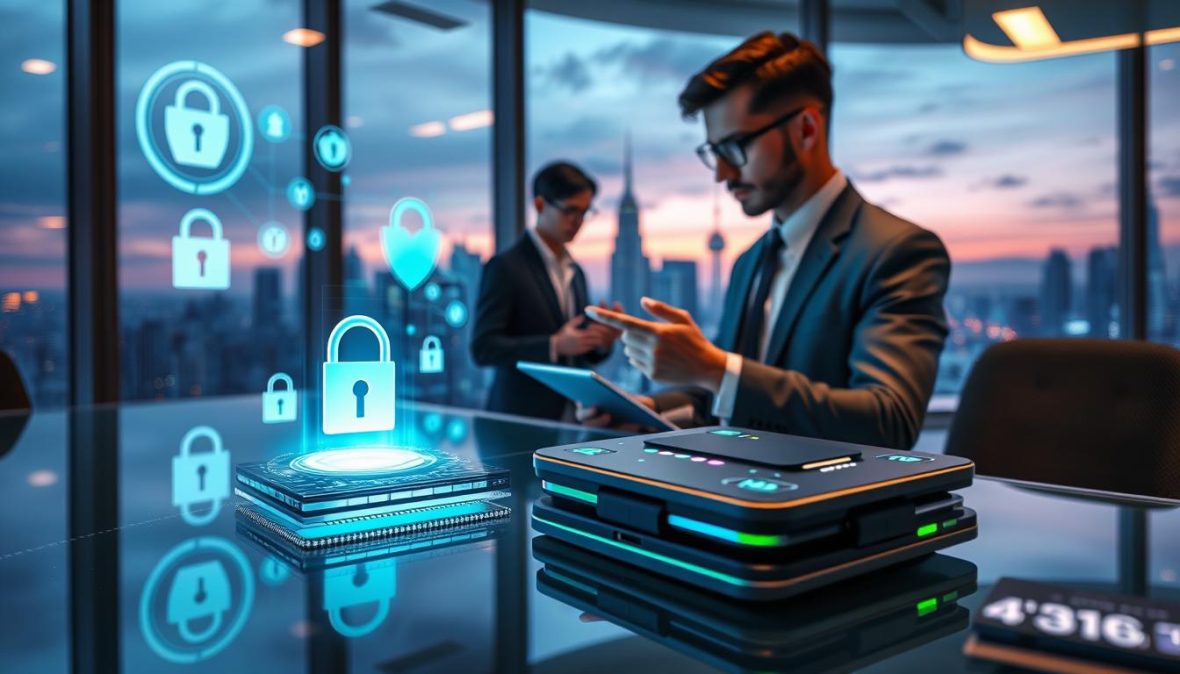
Navigating the complex world of cryptocurrency storage requires strategic planning and advanced security measures. Digital assets demand robust protection. Selecting the right wallet can make a significant difference in safeguarding your investments.
Investors across different experience levels need tailored solutions. These solutions must balance security, accessibility, and performance.
The crypto landscape continues to evolve rapidly. New technologies are emerging that transform how we store and manage digital currencies. The market offers diverse options, from hardware solutions to cutting-edge software platforms.
These technologies protect your crypto investments in 2025 and beyond. Understanding these technologies is crucial for making informed decisions.
Key Takeaways
- Cryptocurrency wallet security is paramount in 2026
- Multiple wallet types exist for different investor needs
- Hardware wallets offer maximum protection for large portfolios
- Mobile wallets provide convenience for active traders
- Multi-signature features enhance overall wallet security
- Cross-chain compatibility is increasingly important
- Regular updates and backup strategies protect digital assets
Understanding Crypto Wallet Security in 2026
Cryptocurrency security has become increasingly sophisticated. Investors now seek robust protection for their digital assets. Wallet security now demands multiple layers of defense against cyber threats.
Modern crypto wallets employ advanced security strategies to safeguard digital investments. The primary approaches include hardware and software wallet technologies. Each offers unique protection mechanisms.
Hardware vs Software Wallet Protection
Investors face critical choices between hardware and software wallet solutions. Hardware wallets like Ledger and Trezor provide superior security. They keep private keys completely offline, dramatically reducing hack risks.
- Hardware Wallets: Cold storage backup systems with multi-layer encryption
- Software Wallets: Convenient but requiring additional security measures
- 2FA (two-factor authentication) integration for enhanced protection
Software wallets such as MetaMask and Trust Wallet offer convenient access. However, they necessitate more rigorous security protocols.
Multi-Signature and Advanced Authentication Features
Advanced security technologies are revolutionizing crypto wallet protection. Multi-signature technology requires multiple approvals for transactions. This significantly enhances security for high-value accounts.
| Security Feature | Protection Level | Recommended Use |
|---|---|---|
| Withdrawal Whitelists | High | Personal and Business Accounts |
| Biometric Authentication | Very High | Mobile and Hardware Wallets |
| Geographic Transaction Restrictions | Medium-High | High-Value Portfolios |
Investors should carefully evaluate their security needs. Consider portfolio value, transaction frequency, and personal risk tolerance. These factors help when selecting a crypto wallet solution.
Best Crypto Wallet Options for Long-Term Holders
Protecting cryptocurrency investments requires strategic wallet selection for long-term holders. The hardware wallet landscape has evolved dramatically. It now offers sophisticated security solutions for digital asset preservation.
Investors seeking robust protection can explore top-tier hardware wallet options. The Ledger Nano X stands out with remarkable Bluetooth connectivity. It supports over 5,500 digital assets.
Its mobile app integration makes it ideal for investors. You get flexible cryptocurrency management with this device.
The Trezor Model T emerges as another premium choice. It features a touchscreen interface and open-source security architecture. This wallet appeals to transparency advocates who prioritize comprehensive security protocols.
- Ledger Nano X: Best for mobile integration
- Trezor Model T: Ideal for open-source security enthusiasts
- Specialized Bitcoin maximalist devices
Emerging competitors are introducing enhanced features like larger screens. They also offer expanded cryptocurrency support.
Consider these critical setup recommendations for your hardware wallet:
- Protect recovery seed phrases securely
- Perform periodic security checks
- Use fireproof storage for backup documents
- Implement metal backup plates
Long-term security studies show properly configured hardware wallets maintain exceptional protection records. Wallet technologies are advancing with innovative features like inheritance planning tools. Time-locked recovery options are also becoming available by 2026.
Successful long-term crypto storage demands meticulous attention to security details and strategic wallet selection.
Choosing the right hardware wallet depends on supported cryptocurrencies, budget, and desired features. Investors must remain vigilant about potential user errors. Seed phrase management requires particular attention.
Top Mobile Wallets for Active Traders and Daily Transactions
Mobile cryptocurrency wallets have changed how people manage digital assets. Smartphone apps now give instant access to your investments. Modern crypto investors need speed, security, and convenience together.
Active traders need advanced mobile wallet solutions for smooth transactions. The best mobile wallets use new technologies like biometric login. Features include fingerprint and face recognition for quick, secure access.
Speed and Convenience Features
Top mobile wallets focus on user experience with real-time tracking. They help you manage assets quickly and easily.
- Instant cryptocurrency transactions
- Biometric authentication
- Real-time price alerts
- Multi-blockchain support
Integration with Major Exchanges
| Wallet | Key Strengths | Exchange Compatibility |
|---|---|---|
| MetaMask | DeFi and dApp interaction | Ethereum, Binance Smart Chain |
| Trust Wallet | Broad cryptocurrency support | Binance, multiple DEXs |
| Coinbase Wallet | User-friendly interface | Coinbase, multiple networks |
Studies show mobile wallet users make 15-20 transactions each month. Hardware wallet users only make 1-2 transactions monthly. Mobile wallets play a key role in modern crypto trading.
The future of crypto trading lies in seamless, secure mobile experiences that empower investors to act quickly and confidently.
Smart traders use a hybrid approach for best results. Keep most holdings in cold storage for safety. Use mobile wallets for active trading funds to stay flexible in fast markets.
Hardware Wallets: Maximum Security for High-Value Portfolios
Protecting cryptocurrency investments requires robust security solutions. Hardware wallets represent the gold standard for safeguarding digital assets. They offer unparalleled protection against online threats.
The top hardware wallet options in 2026 include Ledger’s ecosystem. The Nano X provides exceptional cryptocurrency storage capabilities. This device supports over 5,500 coins and includes Bluetooth connectivity.
The Nano S Plus serves as an excellent budget-friendly alternative. It works well for those entering the hardware wallet market.
- Ledger Nano X: Premium option with 5,500+ coin support
- Trezor Model T: Advanced features with touchscreen interface
- ColdCard: Preferred by Bitcoin maximalists for air-gapped security
Security remains the paramount concern for high-value crypto portfolios. Hardware wallets ensure private keys never leave the device. Offline transaction signing prevents potential malware attacks.
The Trezor Model One offers targeted protection for Bitcoin enthusiasts. Emerging competitors like KeepKey and BitBox provide specialized security architectures.
For portfolios exceeding $10,000, a $100-200 hardware wallet investment represents essential security insurance.
Investors should consider critical factors when selecting a hardware wallet. These include supported cryptocurrencies, security architecture, and user interface. Backup processes also matter significantly.
The most advanced devices now offer additional features. Passphrase protection and multi-signature configurations enable sophisticated asset management strategies.
The right hardware wallet depends on individual cryptocurrency holdings. Technical comfort and specific security priorities also play important roles. Maintaining a small hot wallet for frequent transactions works best.
Keep bulk holdings in cold storage for optimal protection. This provides an ideal balance between accessibility and security.
Multi-Currency Wallets Supporting Diverse Crypto Portfolios
Cryptocurrency investors need versatile wallet solutions that support multiple blockchain networks and digital assets. The landscape of multi-currency wallets has evolved dramatically. These wallets now offer unprecedented flexibility for managing diverse crypto portfolios.
Modern multi-currency wallets provide comprehensive support for Layer-1 blockchains like Bitcoin, Ethereum, Solana, and Cardano. These advanced platforms enable seamless interactions across different cryptocurrency ecosystems. They reduce management complexity significantly.
Top Multi-Currency Wallet Solutions
- Exodus: Beautiful interface supporting 260+ assets
- Trust Wallet: Mobile-first design with massive crypto support
- Atomic Wallet: Decentralized exchange integration with staking capabilities
- Ledger/Trezor: Hardware solutions with multi-currency security
Investors can now leverage cross-chain transaction capabilities that simplify asset management. These work across EVM-compatible chains like Polygon, Avalanche, and Binance Smart Chain.
Technical Considerations for Crypto Portfolios
Key technical aspects include supporting specific token standards like ERC-20, BEP-20, and SPL tokens. Understanding network-specific transaction fees is essential. Ethereum mainnet fees can range from $5-50, while alternative chains offer transactions under $0.50.
| Wallet Feature | Multi-Currency Support |
|---|---|
| Asset Types | NFTs, Wrapped Tokens, Stablecoins |
| Network Compatibility | Bitcoin, Ethereum, Solana, Polygon |
| Transaction Cost | $0.50 – $50 depending on network |
Security remains paramount for all crypto investors. Investors should verify token contract addresses and understand network-specific risks. Consider hardware wallets for maximum protection across diverse cryptocurrency holdings.
Decentralized Wallets and Self-Custody Solutions
The cryptocurrency landscape is shifting towards true ownership through self-custody wallets. Investors now understand that true ownership requires direct control of private keys. They’re moving away from centralized platforms that have failed users.
Historical exchange collapses have shown the risks of custodial storage. Mt. Gox (2014), QuadrigaCX (2019), and FTX (2022) are prime examples. These incidents cost users billions of dollars in lost funds.
This trend has driven significant movement towards self-custody solutions.
- 45% of crypto holders now maintain partial self-custody (up from 23% in 2021)
- Private keys provide complete transaction authorization
- Users become the sole owners of their digital assets
Leading self-custody wallet solutions now include:
| Wallet Type | Key Features | User Base |
|---|---|---|
| MetaMask | Ethereum DeFi Gateway | 30+ million users |
| Trust Wallet | Mobile Blockchain Support | Comprehensive Coverage |
| Ledger | Hardware Security | Premium Self-Custody |
Web3 integration enables direct interactions with decentralized platforms. Users can connect wallets to DeFi protocols and participate in NFT marketplaces. They can also engage with decentralized autonomous organizations (DAOs) without intermediaries.
The future of self-custody looks promising with emerging technologies. Social recovery systems and account abstraction are making solutions more accessible. These innovations help mainstream investors adopt secure self-custody practices.
Wallet Features Every Investor Should Evaluate Before Choosing
Selecting the right cryptocurrency wallet requires careful consideration of multiple critical factors. Investors must dig deep beyond surface-level features to protect their digital assets effectively.
Understanding Transaction Costs Across Networks
Transaction fees can dramatically impact your crypto investment strategy. Ethereum mainnet averages $5-50 per transaction. Layer-2 solutions like Polygon and Arbitrum offer fees under $0.50.
Networks such as Solana provide even more affordable sub-cent transactions.
- Ethereum mainnet: $5-50 per transaction
- Layer-2 solutions: Under $0.50
- Solana: Sub-cent transactions
Comprehensive Backup and Recovery Strategies
Wallet backup systems are crucial for protecting your investments. Using 12-24 word seed phrases enables complete wallet recovery. Studies reveal that 20% of Bitcoin is likely lost forever due to inadequate backup procedures.
- Use 12-24 word seed phrases
- Store recovery information securely
- Create multiple backup methods
Protecting your digital assets requires proactive and comprehensive backup strategies.
Investors should prioritize wallets with robust security features and transparent fee structures. Reliable recovery options help safeguard cryptocurrency investments.
Comparing Costs and Performance Across Leading Wallet Platforms
Crypto wallet selection in 2026 demands a strategic approach balancing security, performance, and cost-effectiveness. Investors must carefully evaluate wallet options across different dimensions. Transaction confirmation times range from near-instant to 10-60 minutes depending on wallet type.
Wallet platforms present diverse cost structures that impact user experience. Hardware wallets like Ledger Nano X offer robust security with upfront device costs. Software wallets provide zero initial investment but potentially higher transaction fees.
| Wallet Type | Initial Cost | Transaction Speed | Security Level |
|---|---|---|---|
| Hardware Wallet | $60-250 | 2-5 minutes | High |
| Software Wallet | Free | 30 seconds-5 minutes | Medium |
| Exchange Wallet | Free | Near-instant | Low |
Layer-2 solutions are revolutionizing wallet performance with 1-5 second confirmations. This dramatically improves user experience for everyday transactions. Investors should prioritize wallets supporting multiple networks to optimize costs and speed.
- Evaluate total annual expenses, including device and transaction costs
- Consider security requirements based on portfolio size
- Check multi-currency support and network compatibility
The optimal wallet strategy in 2026 involves a hybrid approach. Leverage different wallet types for specific use cases. This minimizes overall expenses while maximizing security.
Conclusion
Choosing the right cryptocurrency wallet is crucial for investors in 2026. Long-term holders need hardware wallets like Ledger and Trezor for top security. These wallets protect significant crypto investments better than other options.
Active traders benefit from exchange-integrated solutions like MEXC and Coinbase Wallet. These platforms maximize transaction speed and convenience for frequent trading.
The crypto landscape requires a hybrid approach to wallet management. DeFi participants need Web3 wallets like MetaMask and Trust Wallet. Diversified investors require multi-currency support that adapts to complex blockchain ecosystems.
A strategic three-tier storage model works best for most investors. Use hardware wallets for long-term holdings and software wallets for active trading. Keep exchange accounts for specific transaction needs.
Wallet innovations are changing how we store cryptocurrency. Account abstraction will simplify self-custody for everyday users. Social recovery systems will reduce seed phrase risks significantly.
Cross-chain interoperability will become seamless across different blockchains. Investors must prioritize education and gradual adoption of new technologies. True financial sovereignty comes from informed security practices.
The future of cryptocurrency wallets empowers individual investors with better tools. Carefully select appropriate wallet solutions for your specific needs. Maintain robust security protocols to protect your digital assets.
Crypto enthusiasts can confidently navigate the digital financial landscape with proper preparation. Transform the promise of decentralized finance into tangible reality through smart choices.
FAQ
What is the difference between a hardware and software crypto wallet?
How do I choose the most secure crypto wallet?
Are mobile crypto wallets safe for daily transactions?
What are the advantages of a multi-currency wallet?
How important are backup and recovery options for crypto wallets?
What are the typical transaction fees for crypto wallets?
Can I use the same wallet for trading and long-term holding?
What is a decentralized wallet?