What Is Digital Art? Meaning, Types, and How Artists Make Money Online
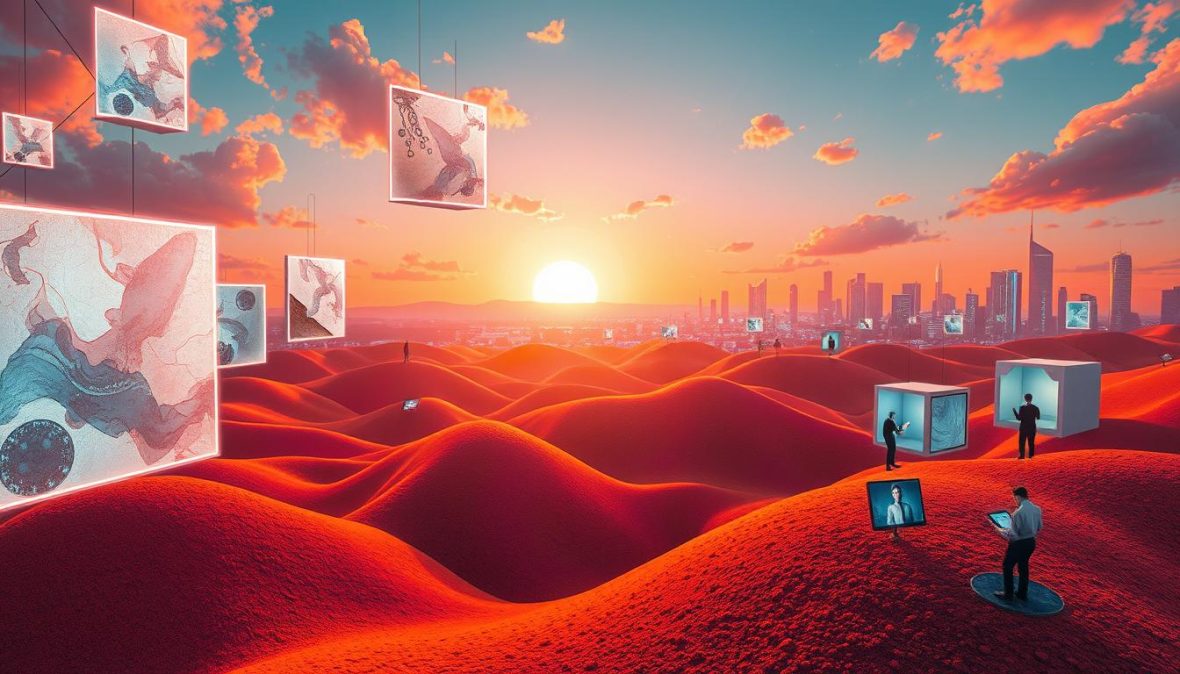
Digital art represents a revolutionary creative frontier. It transforms artistic expression in the 21st century. This dynamic medium blends technology and creativity.
Artists produce stunning visual experiences using digital tools. They work on various digital platforms. The results are impressive and innovative.
The digital art definition encompasses artwork created using digital technologies. It ranges from digital painting to complex 3D modeling. Artists worldwide discover innovative ways to make money with digital art.
They use online marketplaces and freelance platforms. Emerging blockchain technologies also offer new opportunities. The creative landscape continues to evolve rapidly.
Digital art has become a powerful medium for artists. They showcase their skills to global audiences. Artists generate sustainable income streams through their work.
Types of digital art continue to expand. They range from graphic design to interactive installations. These forms redefine artistic boundaries constantly.
Key Takeaways
- Digital art merges technology with creative expression
- Multiple platforms exist for artists to monetize digital artwork
- Digital tools offer unprecedented creative flexibility
- Artists can build global careers through online channels
- Technology continues to expand digital art possibilities
Understanding Digital Art in the Modern Creative Landscape
Digital art has revolutionized the creative world. It transforms how artists conceptualize, create, and share their work. The journey from traditional to digital art represents a profound shift in artistic expression.
This transformation breaks down barriers and opens new realms of creativity.
Contemporary digital art culture has dramatically changed over the past few decades. Artists now leverage powerful technologies that were unimaginable just a generation ago.
Digital art trends have emerged as a powerful medium for creative expression. They challenge traditional artistic boundaries.
The Evolution from Traditional to Digital Mediums
The transition from traditional to digital art has been remarkable. Key milestones include:
- 1960s: Early computer graphics emerge
- 1990: Adobe Photoshop revolutionizes digital image creation
- 2000s: Digital drawing tablets become mainstream
- 2010s: Sophisticated creative software democratizes art production
Why Digital Art Matters in Contemporary Culture
Digital art has become a critical component of modern creative expression. Its significance stems from:
- Unprecedented accessibility for artists worldwide
- Instant global sharing through social media platforms
- Integration into mainstream media like films and video games
- Breaking traditional artistic barriers
Contemporary digital art represents more than just a technological shift. It’s a cultural movement that empowers creators to explore innovative techniques.
Artists can now reach global audiences and challenge conventional artistic limitations.
Defining Digital Art: Core Concepts and Characteristics
Digital art represents a dynamic creative discipline. It emerges from the intersection of technology and artistic expression. At its core, digital art uses digital technologies as part of creation.
Unlike traditional art methods, digital art leverages sophisticated software. It uses graphic tablets and advanced computing tools. These technologies generate unique visual experiences.
The digital art definition encompasses several key characteristics. These traits distinguish it from traditional artistic practices:
- Created entirely using digital tools and software
- Can exist exclusively in digital format
- Allows non-destructive editing and infinite reproducibility
- Integrates technology as a creative partner
Digital art differs fundamentally from traditional art. Traditional art relies on physical mediums like canvas and paint. Digital art exists within virtual environments, offering unprecedented flexibility.
Digital art transforms technology into a canvas, where imagination meets computational power.
| Digital Art Characteristic | Description |
|---|---|
| Technological Integration | Uses advanced software and hardware for creation |
| Accessibility | Low entry barrier with widespread digital tools |
| Reproducibility | Unlimited copies without quality degradation |
| Collaboration Potential | Easy sharing and global artistic exchanges |
Understanding digital art characteristics helps artists and audiences alike. It reveals this innovative medium’s unique capabilities. The creative potential continues to expand.
The Technology Behind Digital Art Creation
Digital art has transformed the creative landscape. It empowers artists with powerful digital art tools and cutting-edge technology. The right digital art hardware and software unlocks unprecedented creative potential for artists.
Selecting the right digital art equipment is crucial for creating stunning visual masterpieces. Artists must carefully consider their hardware and software choices. This helps maximize their creative workflow.
Essential Hardware for Digital Artists
Digital art hardware forms the foundation of any artist’s toolkit. Key components include:
- High-performance computers with powerful graphics cards
- Professional-grade drawing tablets and graphics tablets for precise input
- Color-calibrated monitors for accurate visual representation
Top drawing tablet brands like Wacom, XP-Pen, and Huion offer various options. These work for different skill levels and budgets. Entry-level artists might start with compact models.
Professionals often invest in pen displays with integrated screens.
Software Platforms That Power Digital Creativity
Digital art software provides essential tools for transforming creative visions into reality. Professional artists typically use specialized applications. These are tailored to specific artistic disciplines:
- Raster graphics: Adobe Photoshop, Procreate
- Vector graphics: Adobe Illustrator, Affinity Designer
- 3D modeling: Blender, ZBrush
Each software platform offers unique features designed to support different artistic workflows. Choosing the right digital art software depends on an artist’s specific needs. It also depends on skill level and creative goals.
Major Types of Digital Art
Digital art encompasses a wide range of creative expressions that leverage technology to push artistic boundaries. Artists today explore multiple innovative mediums, transforming traditional artistic approaches through digital tools and techniques. Creative professionals now have unprecedented opportunities to express themselves using digital platforms.
The digital art landscape offers diverse artistic disciplines. Each type caters to different creative visions and professional requirements. Every form brings unique characteristics and potential for artistic exploration.
Digital Painting and Illustration
Digital painting represents a revolutionary approach to artistic creation. Artists use specialized software to generate stunning visual narratives through digital illustration techniques. Concept art for entertainment industries has particularly benefited from these advanced digital painting tools.
- Character design for video games
- Editorial illustrations
- Fine art digital painting
3D Modeling and Digital Sculpting
3D modeling transforms artistic vision into three-dimensional virtual spaces. Digital sculpting allows artists to create intricate characters and architectural designs. Complex objects emerge with unprecedented precision through these powerful tools.
- Hard-surface modeling for product design
- Organic modeling for character creation
- Applications in film and gaming industries
Photo Manipulation and Digital Photography
Digital photography has expanded creative possibilities through advanced manipulation techniques. Artists now combine photographic elements to create surreal visual experiences. These techniques produce compelling and imaginative artwork.
- Compositing multiple images
- Advanced color grading
- Retouching and artistic transformations
Emerging Forms of Digital Art Expression
The digital art landscape evolves at an unprecedented pace. Artists now explore creativity through innovative methods. Generative art and AI-powered techniques revolutionize visual experiences.
Artists leverage cutting-edge technologies to push creative boundaries. Pixel art experiences a renaissance driven by nostalgic gaming culture. Vector art remains crucial for branding, offering scalable visual solutions.
- AI art platforms transform creative processes
- Motion graphics expand storytelling capabilities
- Digital collage merges multiple visual elements
- Crypto art introduces blockchain-powered creativity
Technology and artistic expression blur traditional boundaries. Motion graphics enable dynamic storytelling across multiple platforms.
| Digital Art Form | Market Growth Potential | Key Technologies |
|---|---|---|
| Generative Art | High | Machine Learning Algorithms |
| AI Art | Rapidly Expanding | Neural Networks |
| Crypto Art | Emerging | Blockchain Platforms |
Artists explore interactive experiences through virtual and augmented reality technologies. These digital art forms represent new aesthetic possibilities. They also create innovative economic models for creative professionals.
Building a Career as a Digital Artist
Launching a successful digital art career requires strategic planning and dedicated skill development. Artists must navigate the competitive landscape by cultivating a unique professional identity. Creating compelling digital portfolios showcases their artistic potential.
Transforming passion into a professional digital artist career demands an intentional approach and continuous learning. The journey involves developing a distinctive artistic style. This style sets you apart in the digital art marketplace.
Developing Your Unique Artistic Style
Creating a recognizable artistic style is crucial for digital art career success. Artists can develop their signature approach through strategic exploration.
- Study artists you admire across different genres
- Experiment with multiple digital art techniques
- Identify recurring visual elements in your work
- Practice deliberately to strengthen technical skills
- Allow natural artistic preferences to emerge organically
Crafting a Professional Digital Artist Portfolio
A compelling digital artist portfolio serves as your professional gateway. Key strategies for portfolio development include specific steps.
- Select 10-15 of your strongest pieces
- Organize work by project type or theme
- Provide context for each artwork
- Ensure high-quality digital presentation
- Choose professional platforms like ArtStation or Behance
“Your portfolio is your visual resume. Make every piece count.” – Professional Digital Artist
Successful artistic style development requires patience and authentic self-expression. Digital artists must continuously refine their craft while maintaining consistency. A consistent visual narrative attracts potential clients and opportunities.
Monetization Strategies for Digital Artists Online
Digital artists have many opportunities to make money with digital art through online platforms. The digital art income landscape has grown significantly. Creative professionals now have multiple paths to monetize their digital art business.
Successful digital artists use several income streams to create financial stability. This approach helps protect against market changes.
- Direct artwork sales through online galleries
- Print-on-demand merchandise
- Freelance commission work
- Digital art licensing
- Online art tutorials and courses
Passive income digital art strategies appeal to creators seeking steady revenue. Platforms like Redbubble, Society6, and Zazzle let artists upload designs once. Digital artists can explore multiple ways to generate cash without constant work.
Professional digital artists recommend building a diverse portfolio. Maintaining a consistent online presence is equally important. A strong personal brand across social media attracts potential clients and increases opportunities.
“Diversification is key in the digital art economy. Don’t rely on a single income stream.” – Professional Digital Artist
Emerging technologies like NFTs have introduced revolutionary ways to sell unique digital assets. These platforms create exciting new revenue potential in the creative marketplace.
Selling Digital Art Through Online Marketplaces
Digital artists now have many ways to sell digital art online through different art marketplace platforms. The digital world offers many channels for creative professionals to make money from their artwork. These range from traditional print-on-demand services to cutting-edge crypto art sales.
Understanding the digital art marketplace requires knowing different platforms and their unique strengths. Artists can use various online spaces to reach potential buyers. They can also create sustainable income streams.
Print-on-Demand Platforms: Passive Income Strategies
Print-on-demand art platforms give artists an easy way to generate passive income. Websites like Redbubble and Society6 let creators upload designs for printing on multiple products. These products range from t-shirts to wall art.
- Upload artwork once
- Receive royalties for each sale
- No inventory management required
- Diverse product options
Artists can maximize earnings by creating versatile designs that work well across different product types. Strategic marketing on these digital art marketplace platforms can significantly boost visibility. It can also increase sales potential.
NFTs: Blockchain-Based Art Sales Revolution
Crypto art sales have changed how digital artists make money through NFT marketplaces. Platforms like OpenSea and Foundation enable direct artist-to-collector transactions using blockchain technology.
The NFT market represents a paradigm shift in digital art ownership and value creation.
Understanding the details of NFT art requires careful research and strategic positioning. Artists can explore this emerging market while keeping realistic expectations. They should understand potential earnings and market volatility.
Successful digital artists often spread their work across multiple platforms. They balance traditional print-on-demand services with innovative blockchain-based sales channels. This approach helps create a strong and flexible income strategy in the dynamic digital art world.
Freelancing and Commission Work in Digital Art
Starting a freelance digital artist career needs strategic planning and a professional approach. Digital art commissions offer creative professionals a strong way to earn money. They help you build a sustainable online business.
Finding and securing digital art commissions online involves several key strategies:
- Create a robust digital portfolio showcasing diverse artistic skills
- Establish competitive commission pricing structures
- Network through professional creative platforms
- Develop clear communication with potential clients
Commission pricing depends on several critical factors. Freelance digital artists calculate rates based on project complexity and time investment. They also consider their professional expertise.
Beginners might start at $25-50 per hour. Experienced artists can charge $100-250 per hour for specialized digital art services.
Professional digital artists recommend developing transparent pricing models that reflect skill level and project requirements.
Top platforms for finding art commissions include Upwork, Fiverr, and DeviantArt. Specialized creative marketplaces also offer great opportunities. Each platform lets digital artists showcase their talents and connect with clients worldwide.
Building a sustainable freelance career requires continuous skill development. Professional networking and strategic marketing of your unique artistic abilities are essential.
Marketing Your Digital Art for Maximum Visibility
Digital art marketing has changed how creative professionals showcase their work. Artists now use powerful online platforms to gain visibility. They can build sustainable careers in the digital landscape.
Successful digital art promotion requires a strategic approach. You must understand social media dynamics. Artists need comprehensive art promotion strategies that go beyond simple image sharing.
Strategic Social Media Approaches for Artists
Digital art community engagement begins with selecting the right platforms. Different networks offer unique advantages for visual creators.
- Instagram for artists: Best for visual portfolios and instant showcasing
- TikTok: Perfect for process videos and behind-the-scenes content
- Twitter: Ideal for professional networking
- ArtStation: Specialized platform for professional portfolios
Building a Powerful Online Community
Creating an engaged digital art community requires consistent interaction. You need authentic connection with your audience. Focus on quality engagement rather than raw follower numbers.
| Platform | Engagement Strategy | Content Type |
|---|---|---|
| Weekly stories, interactive polls | Finished artwork, process videos | |
| TikTok | Daily short-form content | Time-lapse creation videos |
| Discord | Community challenges | Collaborative art projects |
Email marketing remains a powerful tool for direct audience connection. Building a dedicated mailing list helps you reach people directly. Artists can create personalized experiences beyond social media algorithms.
The Future of Digital Art and Creative Opportunities
The landscape of digital art is rapidly transforming. Groundbreaking emerging art technology promises to revolutionize creative expression. Artists now explore exciting frontiers in metaverse art, VR art, and AR art.
Digital art trends are increasingly shaped by immersive technologies. These innovations blur the lines between physical and virtual experiences. Innovative platforms are creating new opportunities for artists to showcase their work.
- Virtual Reality (VR) art experiences are expanding creative possibilities
- Augmented Reality (AR) installations are transforming public spaces
- AI collaboration is becoming a powerful creative tool
“The future of art is not about replacing human creativity, but enhancing it through technology.”
Artists who embrace these emerging technologies will lead a digital creative revolution. The metaverse opens up entirely new canvases for artistic expression. Creators can now design immersive worlds and interactive experiences.
Key skills for future digital artists will include:
- 3D modeling and animation
- Interactive design
- Cross-platform creative adaptation
- Understanding of immersive technologies
The digital art landscape continues to evolve rapidly. It offers unprecedented opportunities for creative professionals. Success requires willingness to experiment and adapt to new technological frontiers.
Conclusion
Digital art opens exciting doors for creative professionals. The landscape has changed dramatically, offering new pathways to success. Artists can now use technology to showcase talents and build careers.
Success requires a strategic approach to career development. Developing technical skills and understanding market trends are crucial steps. Creating a compelling portfolio helps you stand out.
Emerging artists should invest time learning industry-standard software. Adobe Creative Suite and Procreate are essential tools to master. Platforms like Behance and DeviantArt offer great opportunities for networking with potential clients.
The digital art ecosystem keeps expanding every day. NFTs and print-on-demand services create multiple revenue streams. Artists who embrace continuous learning will find long-term success.
Adapting to technological shifts helps you stay competitive. Developing a distinctive style sets you apart from others. Building an engaged online community amplifies your artistic reach.
Digital art is more than just a career path. It’s a dynamic form of creative expression that empowers artists. Combining passion with technical skills transforms your vision into reality.
Take the first step toward your artistic journey. Stay curious and keep learning new techniques. Let your creativity guide you through this exciting world.
FAQ
What exactly is digital art?
Do I need expensive equipment to start creating digital art?
Can I make money as a digital artist?
What software do I need to create digital art?
Is digital art considered “real” art?
How long does it take to become proficient in digital art?
What are the most popular types of digital art?
Do I need formal art training to become a digital artist?
How can I build an audience for my digital art?
What are the emerging trends in digital art?