
What Is an NFT? A Simple Guide to Non-Fungible Tokens and How They Work
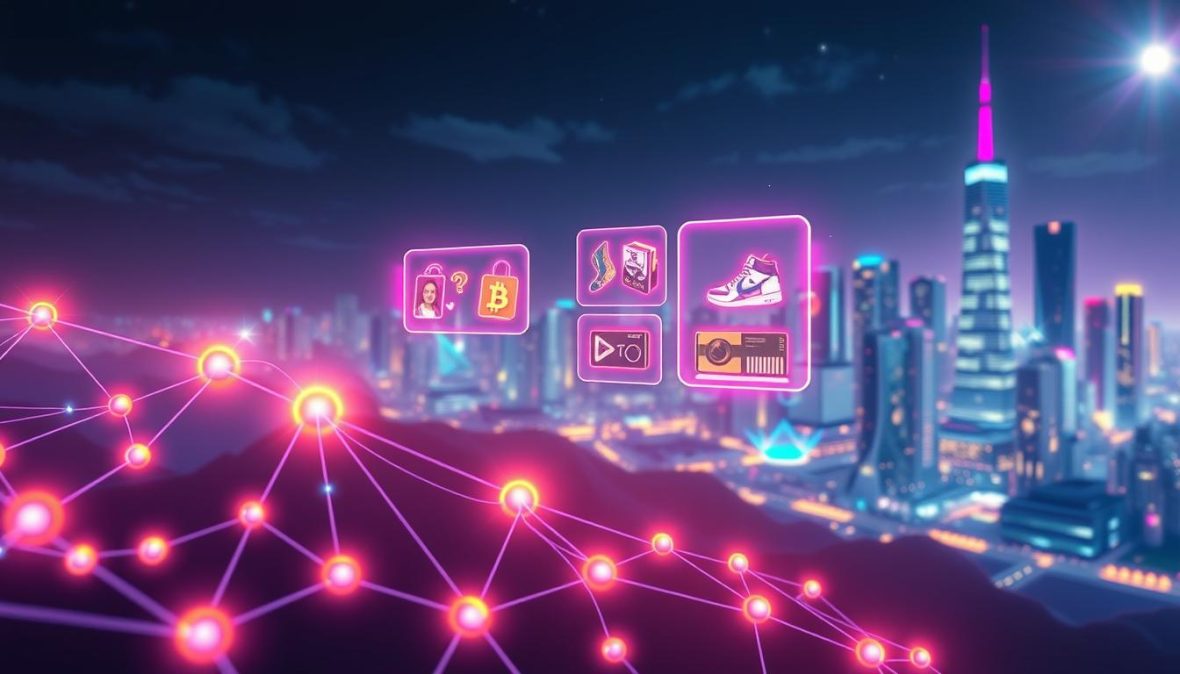
Digital ownership has changed a lot with non-fungible tokens (NFTs). The first NFT project, “Quantum,” launched in 2014. These unique digital assets changed how we see and trade digital content.
NFTs offer a new way to prove ownership of digital items. These items include artwork and virtual real estate.
An NFT is more than just digital trading. These blockchain-powered tokens help creators and collectors authenticate and transfer digital assets. Collectors can prove they own digital items through blockchain verification technology.
This creates new opportunities in the digital marketplace.
This guide explores the world of non-fungible tokens. You’ll learn about their technical foundations and practical applications. You’ll also discover their potential impact on digital economies worldwide.
Key Takeaways
- NFTs provide unique digital ownership verification
- Blockchain technology enables transparent asset tracking
- Digital assets can now be authenticated and traded securely
- NFTs extend beyond art into multiple digital domains
- Understanding NFT mechanics requires minimal technical knowledge
What Is NFT: Understanding Non-Fungible Tokens and Their Core Purpose
NFT blockchain technology has revolutionized digital ownership. It creates a new way to verify unique digital assets. These digital tokens differ completely from traditional cryptocurrencies.
Non-fungible tokens (NFTs) represent a groundbreaking concept in digital asset management. Unlike traditional cryptocurrencies, each NFT carries unique characteristics. This makes it impossible to exchange on a one-to-one basis.
Defining Non-Fungible Tokens in Simple Terms
Imagine a world where digital items can be truly owned, just like physical objects. NFTs make this possible by providing:
- Unique digital certificates of ownership
- Verifiable authenticity through blockchain technology
- Immutable proof of creation and ownership
How NFTs Differ from Traditional Cryptocurrencies
The cryptocurrency comparison reveals critical differences between NFTs and traditional digital currencies:
| Characteristic | Cryptocurrencies | NFTs |
|---|---|---|
| Interchangeability | Fungible (1 Bitcoin = 1 Bitcoin) | Non-fungible (Each token is unique) |
| Primary Function | Digital Currency | Digital Ownership Representation |
| Divisibility | Easily divisible | Typically indivisible |
The Role of Blockchain Verification in NFT Creation
Blockchain verification serves as the backbone of NFT technology. Each token receives a unique identifier through the ERC-721 standard. This ensures that no two tokens are exactly alike.
This process creates an immutable record of ownership and provenance for digital assets.
NFTs transform digital ownership by providing verifiable, unique tokens that cannot be duplicated or falsified.
The technology empowers creators to monetize digital works. It gives collectors genuine proof of ownership in the digital landscape.
The Origin and Evolution of NFTs in the Digital Economy
The NFT history began in 2014 with a groundbreaking digital art experiment. Artist Kevin McCoy created Quantum NFT, a pixelated octagon. This became the first recognized non-fungible token registered on the Namecoin blockchain.
The digital art revolution started slowly but gained significant momentum in 2017. CryptoKitties emerged as a pivotal moment in NFT technology. It introduced digital collectibles that captured widespread public imagination.
“NFTs represent a fundamental shift in how we perceive digital ownership and creativity” – Digital Art Innovators
Key milestones in NFT evolution include:
- 2014: First Quantum NFT created
- 2017: CryptoKitties launch
- 2021: Beeple’s $69 million artwork sale
- 2022: NFT market expansion and diversification
| Year | NFT Milestone | Market Impact |
|---|---|---|
| 2014 | Quantum NFT Creation | Experimental Stage |
| 2017 | CryptoKitties Launch | Mainstream Awareness |
| 2021 | Beeple Artwork Sale | $69 Million Breakthrough |
The NFT landscape continues to transform with new innovations. Artists, collectors, and technologists explore creative ways to use blockchain technology. They focus on digital ownership and creative expression.
How NFTs Work: The Technical Foundation Behind Digital Ownership
Digital ownership has changed dramatically with non-fungible tokens (NFTs). These unique digital assets prove authenticity and ownership online. Understanding NFTs reveals a fascinating world of blockchain technology.
Blockchain technology provides the critical infrastructure that enables NFTs to function. The ERC-721 standard serves as the fundamental protocol for creating non-fungible tokens. It operates on the Ethereum network.
Understanding the ERC-721 Token Standard
The ERC-721 standard defines specific rules for creating unique digital tokens. Each token has a distinct identifier that separates it from other tokens. This makes them impossible to interchange directly.
Key features of this standard include:
- Unique token identification
- Ownership tracking mechanisms
- Transfer functionality
- Metadata storage capabilities
Smart Contracts and NFT Minting Process
NFT smart contracts act as the backbone of token creation. The minting process involves deploying a self-executing contract that generates a unique digital asset. Creators can sell their digital creations through specialized platforms that support these contracts.
Blockchain Verification and Provenance Tracking
| Verification Method | Key Characteristics |
|---|---|
| Blockchain Ledger | Permanent, transparent record of ownership |
| Cryptographic Signatures | Ensures authenticity of digital assets |
| Public Audit Trail | Complete ownership history tracking |
“Blockchain provenance provides an unbreakable chain of digital authenticity that revolutionizes how we perceive ownership in the digital realm.” – Tech Innovation Review
The blockchain verification system allows for unprecedented transparency in tracking an NFT’s complete history. This mechanism ensures that each digital asset can be traced back to its original creation. It provides ironclad proof of authenticity.
Real-World Applications: Where NFTs Are Making an Impact
NFT technology has rapidly expanded beyond digital art. These unique digital tokens transform how we see ownership and value. They create revolutionary opportunities across multiple industries.
- NFT digital art: Platforms like Bored Ape Yacht Club have turned digital artwork into global brands
- NFT gaming: Players can now truly own in-game assets and trade them across different platforms
- NFT real estate: Virtual land in metaverse platforms sells for substantial amounts
In the gaming world, NFT gaming has created entirely new economic models. Axie Infinity developed a play-to-earn ecosystem. Players can generate real income through digital asset ownership.
| Industry | NFT Application | Potential Impact |
|---|---|---|
| Music | Royalty Tokenization | Direct fan investment in artist careers |
| Sports | Highlight Collectibles | NBA Top Shot generated $1 billion in sales |
| Real Estate | Virtual Land Ownership | Decentraland parcels selling for significant values |
These innovations show NFT technology’s power to revolutionize digital interactions. They create new economic opportunities across multiple sectors.
The NFT Marketplace Ecosystem: Where to Buy, Sell, and Trade
The world of NFT marketplaces can seem complex for new digital art collectors. Understanding the right platforms and tools is crucial for success. This guide walks you through the essential components of the NFT marketplace ecosystem.
The NFT marketplace offers multiple platforms for digital asset trading. Cryptocurrency investors can explore various options to buy NFTs. These options span across different blockchain networks.
Popular NFT Trading Platforms
Selecting the right NFT marketplace depends on your specific needs. Here are top platforms for trading digital assets:
- OpenSea: Largest marketplace supporting multiple blockchains
- Rarible: Community-governed platform with unique token rewards
- Foundation: Curated platform focusing on high-quality digital art
- Magic Eden: Dominant platform for Solana blockchain NFTs
| Platform | Blockchain Support | Transaction Fee | Unique Features |
|---|---|---|---|
| OpenSea | Ethereum, Polygon | 2.5% | Wide selection, collection offers |
| Rarible | Ethereum | 2% | Community governance |
| Foundation | Ethereum | 2.5% | Curated artist platform |
Digital Wallets for NFT Storage
Setting up a crypto wallet for NFTs is essential for secure digital asset management. Popular options include MetaMask for browser-based transactions and Coinbase Wallet for mobile users. Consider security features and blockchain compatibility when choosing a digital wallet.
Understanding Transaction Costs
NFT gas fees can significantly impact your trading expenses. Ethereum transactions typically have higher fees compared to alternative blockchains like Polygon or Solana. Smart traders track gas prices using tools like Etherscan to minimize transaction costs.
Prepare for your NFT journey by researching platforms and understanding wallet setup. Budget for potential transaction fees before you start trading. The NFT marketplace offers exciting opportunities for collectors and investors willing to learn.
NFT Security Risks and Common Scams to Avoid
The NFT marketplace offers exciting opportunities for digital collectors and investors. However, it also presents significant security challenges. NFT scams have become increasingly sophisticated, targeting unsuspecting users through various deceptive tactics.
Understanding the most prevalent threats is essential for navigating the complex world of NFT security. Phishing attacks represent a critical risk in the NFT ecosystem. Scammers create elaborate fake websites that mimic legitimate NFT marketplaces.
These fake sites trick users into revealing their wallet credentials. Once compromised, attackers can drain digital assets quickly.
- Honeypot scams designed to trap users in unbreakable smart contracts
- Phishing attacks targeting wallet credentials
- Fake NFT project launches
- Social engineering tactics on Discord and Twitter
“In the world of digital assets, your vigilance is the best security measure.” – Blockchain Security Expert
Protecting yourself from NFT security risks requires strategic awareness. Hardware wallets provide robust protection for valuable digital assets. Two-factor authentication adds an extra layer of defense against unauthorized access.
| Scam Type | Risk Level | Prevention Strategy |
|---|---|---|
| Phishing Attacks | High | Verify website URLs carefully |
| Honeypot Scams | Critical | Check smart contract code before transactions |
| Fake NFT Projects | Severe | Research project background thoroughly |
NFT safety demands constant vigilance. Never share your seed phrase with anyone. Enable all available security features on your accounts.
Maintain skepticism toward extraordinary offers that seem too good to be true. Remember: blockchain transactions are irreversible, making prevention your primary protection strategy.
Why Community Engagement Drives NFT Project Success
NFT project success goes beyond digital artwork or tech innovation. Community engagement is now the key driver for digital asset longevity. Strong communities help projects thrive in the fast-changing blockchain world.
NFT communities are more than fan groups. They are dynamic spaces where social proof and enthusiasm create real value. Top NFT projects know that community is their main value driver.
Building Credibility Through Active Communities
Strong NFT projects stand out with solid community infrastructure. Key elements include:
- Active Discord servers with transparent communication
- Regular Twitter Spaces with founder interactions
- Exclusive holder benefits and events
- Clear, executable roadmaps
How Social Proof Influences NFT Value
Social dynamics shape NFT valuation in powerful ways. Visible community excitement attracts potential investors through psychological signals. Trading volume, influencer support, and collective energy generate perceived value.
Community engagement transforms NFTs from mere digital assets into living, breathing collective experiences.
Long-Term Project Sustainability Factors
Sustainable NFT projects focus on community-first strategies:
- Consistent utility delivery
- Transparent team communication
- Diversified revenue streams
- Continuous innovation
Research shows projects with active communities survive market changes better. They outlast isolated or purely speculative ventures.
The Financial Landscape: NFT Market Trends and Value Fluctuations
The NFT market has experienced dramatic shifts since its explosive emergence in 2021. Crypto market fluctuation defines this emerging digital asset class. NFT value shows significant volatility that challenges traditional investment strategies.
Key insights into NFT market trends reveal a complex ecosystem of digital ownership and speculative investment:
- Peak trading volume reached approximately $25 billion in 2021
- Monthly trading volumes contracted to $500 million-$1 billion by late 2023
- NFT investment patterns demonstrate rapid price swings
“NFTs represent a new frontier of digital asset valuation, where technological utility meets speculative market dynamics.” – Crypto Market Analyst
Market volatility in NFT investments stems from multiple factors:
- Cryptocurrency price movements
- Project utility and community engagement
- Broader technological adoption
- Global economic conditions
Investors should approach NFT markets with caution. Price fluctuations can be extreme and unpredictable. Some collections maintain value through scarcity and utility.
Others may experience rapid devaluation without warning. The NFT landscape continues to evolve beyond pure speculation. The focus now shifts toward more sustainable, utility-driven applications.
Critical Considerations Before Investing in NFTs
NFT investment requires careful research and strategic planning. The digital asset landscape presents unique challenges that demand thorough project evaluation. Investors must navigate complex terrain where market volatility can dramatically impact potential returns.
Understanding key considerations can protect your investment and minimize potential losses. Experienced investors recognize the importance of comprehensive research in this dynamic market.
Evaluating Project Authenticity and Team Credentials
Project assessment involves multiple critical factors:
- Verify team background and professional experience
- Review smart contract audits
- Analyze community engagement
- Check roadmap feasibility
Understanding Impermanent Loss and Market Volatility
Impermanent loss represents a significant risk in NFT investment. Market fluctuations can rapidly decrease asset value, making strategic timing crucial. Investors must develop robust risk management strategies to protect their digital portfolios.
Storage and Custody Best Practices
Proper NFT storage involves selecting secure wallet solutions. Hardware wallets provide enhanced security for valuable NFT collections. This reduces exposure to potential digital threats.
Key storage recommendations include:
- Use hardware wallets for high-value assets
- Maintain private key security
- Diversify storage methods
- Regularly audit digital asset holdings
Successful NFT investment demands continuous learning and strategic thinking. A disciplined approach to digital asset management is essential.
Conclusion
The world of NFTs represents a transformative moment in digital asset ownership. Blockchain technology continues to evolve every day. The future of NFTs looks promising with many new applications ahead.
These applications extend far beyond digital art and collectibles. Understanding digital ownership requires a balanced perspective. Innovation must meet practical considerations for real success.
Market trends suggest that NFT adoption is moving towards utility-driven use cases. From digital investment strategies to gaming applications, NFTs are reshaping digital assets. They also impact intellectual property and authentication systems significantly.
The technology offers unprecedented opportunities for creators and investors alike. Success requires careful research and strategic thinking. Those willing to learn will find exciting possibilities.
NFT FAQs remain critical for new participants entering this space. Investors should prioritize understanding blockchain technology and project authenticity. Maintaining realistic expectations is essential for long-term success.
The digital ownership future demands a balanced approach from everyone involved. Consider both technological potential and market volatility carefully. Smart decisions require understanding both sides of the equation.
Key takeaways include staying informed about market developments and trends. Start with small investments to minimize risk. Prioritize security and engage with reputable communities for guidance.
The NFT landscape continues to evolve at a rapid pace. Those who approach it with curiosity will discover new opportunities. Diligence positions you best to navigate this exciting digital frontier.
FAQ
What exactly is an NFT?
How do I buy an NFT?
Are NFTs a good investment?
How do I know an NFT is authentic?
Can NFTs be stolen?
What blockchain do most NFTs use?
Do I actually own the artwork when I buy an NFT?
What are gas fees?
Are NFTs environmentally friendly?
Can I create and sell my own NFT?