NFT Art Explained: How to Create, Buy, and Sell Digital Masterpieces
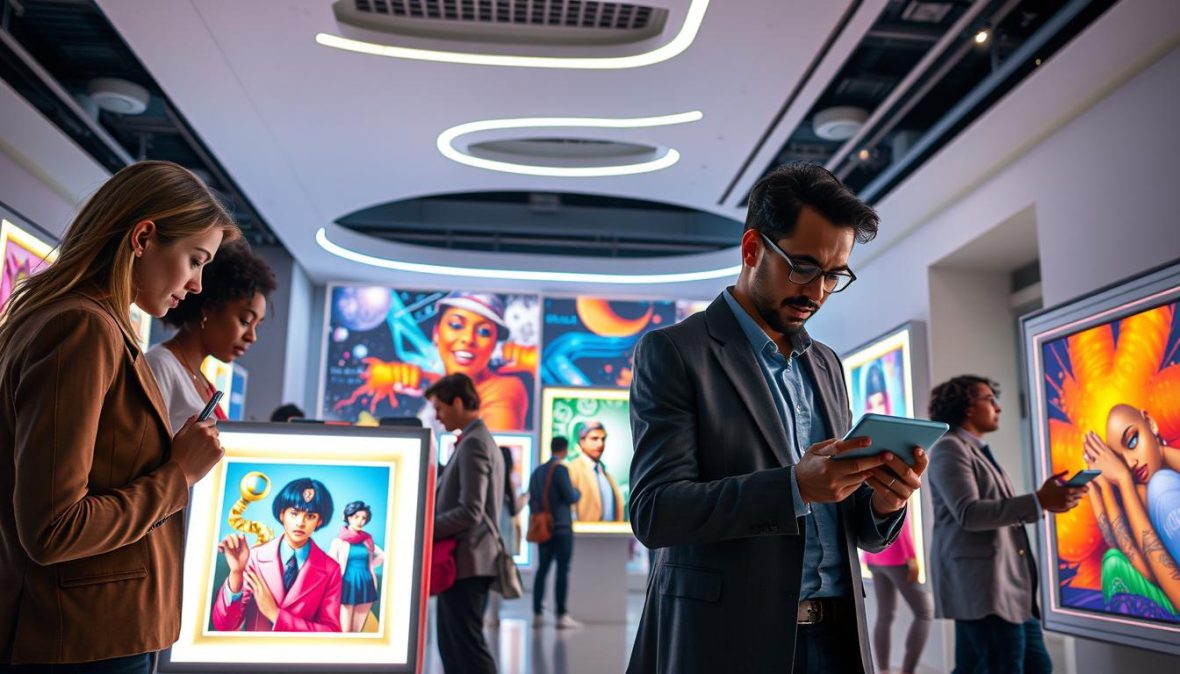
The digital art world has changed completely with NFT art. Blockchain technology lets artists create unique digital masterpieces. These works can be bought, sold, and traded in exciting new ways.
Digital illustrations and virtual reality experiences show the power of this medium. Crypto art has captured the imagination of collectors worldwide.
NFT artwork brings a fresh approach to digital ownership. Traditional digital files can be copied endlessly. Blockchain-verified assets give artists real control and authenticity.
Major auction houses like Sotheby’s now embrace this art form. This signals a big shift in the art market’s landscape.
This guide explores the world of digital art NFT. You’ll learn how to create, buy, and sell unique digital masterpieces. Discover the tools and strategies needed to succeed.
Artists and collectors alike will find valuable insights here. Navigate the exciting realm of blockchain art with confidence.
Key Takeaways
- NFT art provides unique digital ownership through blockchain technology
- Artists can monetize digital creations with unprecedented control
- Major art institutions are recognizing the value of crypto art
- Blockchain verification ensures artwork authenticity
- NFT art represents a new frontier for digital creativity and investment
Understanding NFT Art and Its Revolutionary Impact on the Digital Art Market
The digital art landscape has changed dramatically with NFT tokens. These unique digital collectibles have redefined how we view ownership and value online. Digital art enthusiasts now have a groundbreaking way to authenticate and trade through blockchain technology.
NFT art represents a quantum leap from traditional digital files. It offers unprecedented authenticity and value preservation. Unlike standard digital images that can be endlessly copied, NFT art provides verifiable ownership.
What Makes NFT Art Different from Traditional Digital Files
The key distinctions between traditional digital files and NFT art include:
- Unique digital provenance tracking
- Immutable ownership records
- Built-in scarcity mechanism
- Direct artist monetization
The Blockchain Technology Behind NFT Authenticity
Smart contracts play a crucial role in establishing NFT authenticity. These self-executing contracts ensure transparent transactions. They also protect artists’ intellectual property rights across digital platforms.
| NFT Technology Feature | Benefit |
|---|---|
| Blockchain Verification | Permanent ownership proof |
| Smart Contract Integration | Automated royalty payments |
| Decentralized Authentication | Eliminates fraud risks |
Blockchain technology transforms digital creativity into a secure, tradable asset. NFT art now has genuine value and global market potential.
The Rise of NFT Art: Market Statistics and Record-Breaking Sales
The NFT art market has grown from a small digital trend to a global investment scene. NFT art sales have soared, drawing collectors, investors, and traditional art institutions worldwide. Record-breaking NFT auctions prove digital art’s value as an asset class.
Key market statistics reveal the explosive growth of NFT investments:
- Total NFT art market value reached $2.5 billion in 2022
- Average NFT artwork price increased by 300% from 2021 to 2022
- Collector base expanded by 75% in major global markets
Sotheby’s recent Saudi Arabia auction showed the market’s strength. The event generated $19.5 million from 67 lots with an 89% sell-through rate. Safeya Binzagr’s artwork sold for $2.1 million, highlighting demand for digital masterpieces.
“NFT art has become a legitimate investment vehicle, bridging traditional art collecting with digital innovation.” – Art Market Analysts
Emerging digital artists are driving NFT market growth. Platforms like OpenSea and Nifty Gateway are crucial marketplaces for NFT art transactions. Collectors view NFT investments as both artistic appreciation and financial opportunities.
| Year | Total NFT Sales | Average NFT Price |
|---|---|---|
| 2021 | $1.6 billion | $2,500 |
| 2022 | $2.5 billion | $7,500 |
The NFT art market continues to evolve rapidly. Investors and art enthusiasts watch closely for the next breakthrough digital masterpiece. Groundbreaking auctions keep reshaping the digital art landscape.
How to Create Your Own NFT Art: A Step-by-Step Guide for Artists
Entering the world of NFT art opens exciting opportunities for digital creators. You can showcase and monetize your unique artistic vision. The right tools and strategic approach make all the difference.
Creating NFT art involves several critical steps. These steps transform your digital creativity into blockchain-authenticated masterpieces. Understanding technical and artistic requirements helps you navigate this innovative marketplace successfully.
Choosing the Right Digital Format and Artistic Style
Selecting appropriate NFT file formats is crucial for successful digital art creation. Artists should consider the following recommended formats:
- JPEG and PNG for static images
- GIF for animated artwork
- MP4 for video-based NFT art
- GLB for 3D model representations
Each NFT art style offers unique opportunities for creative expression. Popular styles include:
- Generative art
- Pixel art
- Digital painting
- Abstract compositions
- Mixed-media digital artwork
Essential Tools and Software for Creating NFT Artwork
Professional NFT creation requires powerful digital art software. Top recommended tools include:
- Adobe Photoshop for detailed image editing
- Procreate for digital illustration
- Blender for 3D artwork generation
- Illustrator for vector-based designs
Pro tip: Invest in a quality graphics tablet and stylus to enhance your digital art creation process.
Consider your artistic goals, budget, and technical skills when selecting NFT creation tools. Your unique creative vision matters most. It sets your digital artwork apart in the competitive NFT marketplace.
Selecting the Best NFT Marketplace for Your Digital Masterpieces
Picking the right NFT marketplace can shape your digital art career. NFT platforms give creators many ways to show and sell their work.
Artists should check these key factors before choosing an NFT marketplace:
- Platform fees and transaction costs
- Blockchain support
- Audience demographics
- Curation requirements
- Community engagement
OpenSea stands as the most popular NFT marketplace today. It gives artists great exposure and works with many blockchains. New artists love its simple design.
“The right NFT platform can transform your digital art from a simple file to a valuable collectible.” – Digital Art Insider
Different NFT art platforms serve different artist needs:
| Marketplace | Best For | Key Features |
|---|---|---|
| OpenSea | Beginners | Wide range of NFTs, multiple blockchain support |
| Rarible | Community-driven artists | Governance tokens, creator-friendly platform |
| Foundation | Established digital artists | Curated marketplace, higher-value sales |
Professional artists should study each NFT marketplace carefully. Your platform choice affects how many people see your work. It also impacts your earnings and your brand over time.
The Minting Process: Transforming Your Artwork into an NFT
NFT minting transforms digital art into blockchain-verified assets. This process turns creative work into unique, tradable digital tokens. These tokens prove ownership and authenticity.
Creating an NFT involves several strategic steps. Artists must plan carefully and understand digital asset creation. Technical and financial considerations are key to success.
Navigating Gas Fees and Blockchain Selection
Blockchain selection plays a crucial role in NFT minting. Different platforms offer unique advantages for creators:
- Ethereum: Largest marketplace with high visibility
- Polygon: Lower gas fees and faster transactions
- Solana: Cost-effective with rapid processing
Gas fees represent transaction costs paid to blockchain validators. These expenses can change dramatically based on network congestion. Timing and platform selection are critical for cost-effective NFT minting.
Strategic Royalties and Pricing Approaches
NFT royalties provide artists with ongoing revenue streams. Most platforms let creators set royalty percentages between 5-10%. This creates potential long-term income from a single artwork.
Pricing strategies for NFT art depend on multiple factors:
- Artist reputation
- Artwork complexity
- Current market demand
- Previous sales performance
Successful NFT artists recommend flexible pricing models that adapt to market dynamics and collector interests.
Digital creators must carefully evaluate blockchain options. Understanding gas fee structures is essential. Develop nuanced pricing strategies to maximize your NFT art’s potential in the competitive digital marketplace.
How to Buy NFT Art: A Comprehensive Guide for Collectors
Entering the world of NFT art can feel overwhelming for new collectors. This guide simplifies the process of buying NFT art. You’ll navigate the digital art marketplace with confidence.
Understanding the right tools and strategies is crucial for successful NFT art collecting.
Before purchasing NFT art, you’ll need to set up a cryptocurrency wallet. NFT collectors recommend choosing between hot and cold based on your security needs. Popular options include:
- MetaMask (hot wallet)
- Coinbase Wallet (hot wallet)
- Ledger Nano X (cold wallet)
- Trezor Model T (cold wallet)
Funding your NFT wallet requires purchasing cryptocurrency, typically Ethereum (ETH). You can buy through exchanges like Coinbase or Binance. Connect your cryptocurrency wallet to reputable NFT marketplaces such as OpenSea or Rarible.
| Marketplace | Best For | Transaction Fees |
|---|---|---|
| OpenSea | Diverse Collections | 2.5% |
| Rarible | Independent Artists | 2.5% |
| Nifty Gateway | Curated Drops | 5% |
Consider the artist’s reputation, artwork uniqueness, and potential long-term value. Research the artist’s previous sales and community engagement. Check their artistic trajectory before making a purchase.
Strategic NFT art collecting involves careful evaluation of each piece. Look beyond aesthetics to understand the artwork’s potential appreciation. Verify blockchain authenticity and the creator’s track record in the digital art space.
Selling Strategies: Marketing Your NFT Art to Reach Collectors Worldwide
The NFT art market demands more than exceptional creativity. Successful NFT artists know that strategic marketing transforms digital artwork into sought-after collectibles. Selling NFT art requires blending artistic talent with smart promotional techniques.
Building Your Artist Brand and Community Engagement
Developing a compelling artist brand stands at the core of NFT marketing. NFT artists must craft a unique narrative that resonates with potential collectors. This means creating a consistent visual style and sharing your artistic journey.
Establishing genuine connections within the NFT community is essential. Direct engagement with collectors builds trust and loyalty. Your transparent creative process helps collectors understand your work’s value.
- Create a distinctive artistic identity
- Share behind-the-scenes content
- Engage directly with potential collectors
- Develop a transparent creative process
Leveraging Social Media and NFT Communities for Visibility
Social media marketing plays a crucial role in expanding your reach. Platforms like Twitter and Discord are essential for NFT artists. These platforms help you connect with potential collectors worldwide.
- Use targeted hashtags
- Participate in NFT art challenges
- Collaborate with other NFT artists
- Create shareable, engaging content
Strategic engagement transforms your artwork from a digital file into a valuable collectible. Combine authentic storytelling with consistent marketing and active community participation. This approach helps NFT artists successfully sell their digital masterpieces in a competitive marketplace.
Security Considerations and Protecting Your Digital Assets
The NFT art world offers exciting opportunities. However, it also brings significant digital asset protection challenges. Artists and collectors must stay alert to protect valuable digital investments.
Understanding NFT security means knowing the risks in digital marketplaces. Crypto wallet security is critical for high-value digital assets. Stolen assets cannot be recovered.
- Implement robust wallet protection strategies
- Identify and avoid sophisticated NFT scams
- Use multi-layered security approaches
- Stay informed about emerging digital threats
NFT scams have grown more complex over time. Cybercriminals use sophisticated tricks to exploit platform weaknesses. Strategic approaches help protect your assets:
- Use hardware wallets for significant collections
- Enable two-factor authentication
- Verify marketplace and creator authenticity
- Never share private wallet credentials
Digital assets demand the same level of security consciousness as physical investments.
Blockchain security experts suggest separating trading wallets from storage wallets. This strategy limits damage from unexpected security breaches. Regular software updates reduce digital asset risks.
Careful interaction with smart contracts also protects your investments. Comprehensive security practices help artists and collectors navigate the NFT ecosystem confidently. Protecting valuable digital investments becomes easier with the right approach.
Legal and Copyright Issues in the NFT Art Space
The digital art world faces complex legal challenges with NFT artwork. NFT copyright and intellectual property rights create unique issues for creators and collectors. Digital art rights need careful thought to protect artists’ work.
Artists and collectors must grasp the legal framework around NFT ownership. Buyers typically acquire specific rights with their purchase.
- Ownership of the specific digital token
- Right to display the artwork
- Potential ability to resell the NFT
Critical NFT legal issues include protecting intellectual property rights. Artists can safeguard their digital creations through strategic approaches.
- Registering copyrights with official authorities
- Developing clear licensing agreements
- Specifying usage rights in smart contracts
Blockchain technology offers transparency, but legal complexities remain. Creators must craft digital asset agreements carefully. These agreements should outline the scope of rights transferred with each NFT sale.
The legal landscape for NFT art continues to evolve, requiring ongoing vigilance from creators and collectors alike.
Protecting Your Digital Creative Rights
Navigating NFT legal protections demands proactive strategies. Artists should consult intellectual property attorneys and implement robust documentation. Staying informed about emerging regulations in the digital art marketplace is essential.
The Future of NFT Art: Predictions and Emerging Trends for 2026
The digital art landscape is changing fast. NFT art will reshape how we think about artistic expression and ownership. The creative ecosystem is evolving in exciting new ways.
Looking toward 2026, several exciting NFT future trends are emerging. These developments promise to redefine how artists create and share their work.
Key predictions for NFT art in 2026 highlight significant technological and market developments:
- Mainstream integration of emerging NFT technology in traditional art markets
- Advanced digital art presentation through augmented reality experiences
- Increased global collector bases in emerging markets
- More sophisticated AI-assisted art creation tools
Technological innovations will dramatically enhance the NFT art experience. Virtual galleries and metaverse exhibitions will provide immersive platforms for collectors. These platforms break geographical barriers and create global art communities.
“The future of NFT art lies in its ability to democratize artistic creation and ownership,” says digital art expert Elena Rodriguez.
Environmental sustainability will play a crucial role in digital art future developments. Blockchain networks are transitioning to energy-efficient solutions. This addresses previous concerns about carbon footprints.
Emerging NFT predictions suggest the market is maturing. Focus is shifting from speculative trading to genuine artistic merit. Collectors and investors will prioritize quality, provenance, and innovative digital art techniques.
- Fractional ownership models will make high-value NFT art more accessible
- Dynamic NFTs that evolve based on interaction will gain popularity
- Stronger legal frameworks will provide clearer guidelines for digital art ownership
NFT art is more than just a trend. It’s a transformative force in the art world. By 2026, it will offer unprecedented opportunities for artists, collectors, and creative innovators.
Conclusion
The NFT art guide shows a transformative journey into the digital art revolution. It has reshaped creative expression and ownership. Blockchain technology unlocks unprecedented opportunities for artists to monetize their work directly.
Artists and collectors now have a powerful platform to connect and trade. They can preserve digital masterpieces with unparalleled authenticity.
Success in the NFT marketplace requires strategic thinking and continuous learning. Creators must develop unique artistic voices while understanding blockchain art future. Cryptocurrency investment platforms have expanded the ecosystem for digital artists.
Security and legal awareness remain crucial elements of NFT art engagement. Protecting digital assets and understanding intellectual property rights helps participants navigate this dynamic landscape. Staying informed about emerging regulations is essential.
The NFT art world continues to evolve with exciting possibilities. This digital art revolution empowers creators and democratizes art markets. It reimagines how we value creative expression in the digital age.
For artists or collectors, the NFT art journey promises an exhilarating adventure. It stands at the intersection of creativity and blockchain innovation.
FAQ
How much does it cost to create an NFT?
Can I sell NFT art if I’m not a professional artist?
What happens to my NFT if the marketplace shuts down?
How are NFT art sales taxed?
Can I display my NFT art in my home?
What’s the difference between NFTs on different blockchains?
Do I need cryptocurrency to buy NFT art?
How do I know an NFT artwork is authentic?
Can I earn royalties from my NFT art?
Is NFT art a good investment?