
MLB Over/Under Betting: Run Line and Totals Strategy Guide
Betting MLB Over/Unders is one of the most popular ways to wager on baseball, and for good reason: instead of picking a winner, you are betting on the total number of runs scored in a game. According to Covers [1], key factors like starting pitchers, wind direction, and umpire tendencies all influence where that total lands. Understanding how the market prices these bets, and where the historical edge sits, gives bettors a sharper starting point.
How MLB Over/Under Betting Works
The Basic Structure of a Totals Bet
MLB Over/Under odds project the combined total number of runs scored by both teams in a single game [1]. Sportsbooks set a number, and bettors choose whether the final combined score will go over or under that figure. It is a straightforward market on the surface, but the variables that shape each total are anything but simple.
Most totals are priced around -110, which is commonly referred to as the juice or vig [1]. That means a bettor risks $110 to win $100 on either side of the total. The vig is how sportsbooks build their margin into the market, and it applies equally to the Over and the Under in most cases.
Because both sides carry the same -110 price in a standard totals market, the edge does not come from the odds themselves. It comes from identifying when the total is set too high or too low relative to what the game is likely to produce.
What the Run Line Adds to the Picture
The run line is baseball’s version of a point spread, and it works alongside the Over/Under market to give bettors multiple angles on the same game. While the Over/Under focuses purely on combined scoring, the run line introduces a margin of victory element. Together, these two bet types cover the core of MLB wagering strategy.
Bettors who understand both markets can cross-reference their read on a game. A strong pitching matchup that suggests a low-scoring game might support both an Under bet and a run line play on the favorite, for example. The two markets are not isolated from each other.
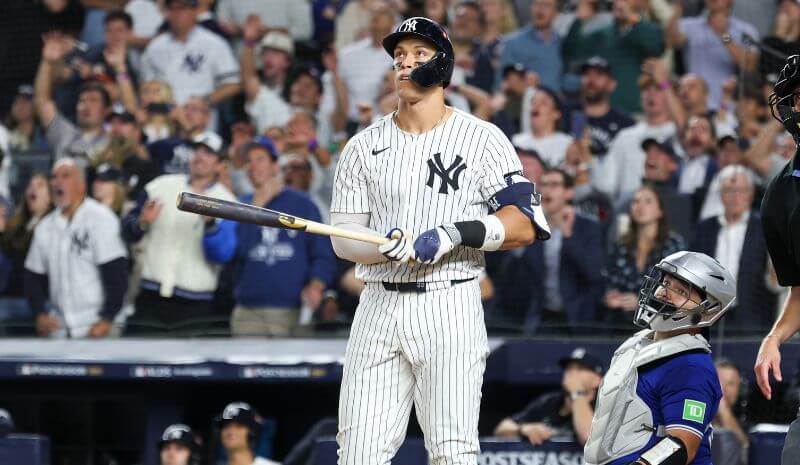
Key Factors That Move MLB Totals
Starting Pitchers and Their Outsized Role
Starting pitchers are among the most important factors influencing MLB totals, according to Covers [1]. A game featuring two elite starters projects very differently from one with two back-end rotation arms. Sportsbooks adjust totals significantly based on who is taking the mound, and sharp bettors track pitching matchups closely before placing any totals wager.
Pitcher quality affects not just the total itself but also the confidence level behind a bet. A total set at 7.5 with two aces pitching carries a different risk profile than the same number with two struggling starters. Context around the pitching matchup is non-negotiable research before betting MLB totals.
Weather, Wind, and Umpire Tendencies
Weather, and specifically wind direction, is a documented factor in MLB totals betting [1]. Wind blowing out to center field at a hitter-friendly park can push a game toward the Over, while wind blowing in from the outfield suppresses scoring. Bettors who ignore weather data are leaving a meaningful variable out of their analysis.
Umpire tendencies also influence totals, according to Covers [1]. Some umpires call a wider strike zone, which benefits pitchers and tends to keep scoring down. Others call a tighter zone, leading to more walks and higher run totals. Tracking umpire assignments before a game is a step that separates casual bettors from more disciplined ones.
These three factors, starting pitchers, weather, and umpires, form the core research checklist for any serious MLB totals bettor. Skipping any one of them means working with an incomplete picture of what a game is likely to produce.
Unders vs Overs: What the Historical Data Shows
| Bet Type | Win Rate (2007-2021) | Standard Price |
|---|---|---|
| MLB Under | 50.7% | -110 |
| MLB Over | Below 50% | -110 |
Between the 2007 and 2021 MLB regular seasons, Unders hit at a slightly higher rate of 50.7% compared to Overs [1]. That is a marginal edge, but it is a consistent one across a 14-year sample covering thousands of games. It does not guarantee future results, but it is a data point worth factoring into a totals betting approach.
The gap between 50.7% and 50% is small, but at -110 juice, a bettor needs to win roughly 52.4% of bets to break even. That means even the historical Under edge does not automatically produce profit without disciplined line shopping and game selection. The data is a starting point, not a strategy on its own.
What the historical split does suggest is that sportsbooks have, over time, set totals slightly in favor of the Over hitting, which has not materialized at the same rate as the Under. Whether that pattern continues is something bettors should monitor season by season rather than assume as a permanent truth.
Shopping Lines: Why Half a Run Changes Everything
Covers [1] specifically recommends that bettors shop across multiple sportsbooks to find the most favorable run total available. The example given is the difference between a total of 7.5 and 8. That half-run gap is significant: a game that ends 8-0 is a push at 8 and a loss for Under bettors, but a win for Under bettors who found 8.5 at another book.
Line shopping is one of the most practical and actionable habits in sports betting, and it applies directly to MLB totals. Having accounts at multiple sportsbooks allows a bettor to compare totals across the market and consistently find the number that gives them the best position. Over time, those half-run differences compound into meaningful results.
For bettors who focus on racing and other sports markets, the line shopping principle transfers directly. Whether it is a run total in baseball or a points total in another sport, the discipline of comparing prices before placing a bet is a foundational habit that applies across every wagering market.
Key Takeaways
- MLB Over/Under odds project the combined total runs scored in a game, with most totals priced at -110 juice, meaning a bettor risks $110 to win $100 [1].
- Starting pitchers are one of the most important factors influencing where a total is set and how it moves before game time [1].
- Wind direction is a documented weather factor that affects MLB totals, with outward wind favoring Overs and inward wind suppressing scoring [1].
- Umpire tendencies, including strike zone width, influence run totals and are a trackable variable before each game [1].
- MLB Unders hit at a 50.7% rate between the 2007 and 2021 regular seasons, slightly outpacing Overs over that 14-year span [1].
- Shopping across sportsbooks for the best available total, such as finding 7.5 instead of 8, can be the difference between a win and a loss on the same game [1].
Frequently Asked Questions
What does MLB Over/Under mean in baseball betting?
MLB Over/Under betting projects the combined total number of runs scored by both teams in a game [1]. Bettors choose whether the final combined score will be over or under the number set by the sportsbook. Most totals are priced at -110 on both sides.
What is the vig or juice on MLB totals bets?
The vig, also called juice, is the sportsbook’s built-in margin on a bet [1]. At -110, a bettor must risk $110 to win $100. This is the standard price on most MLB Over/Under markets.
Do Overs or Unders hit more often in MLB betting?
According to data cited by Covers, MLB Unders hit at a 50.7% rate between the 2007 and 2021 regular seasons, which is slightly higher than Overs over that same period [1]. This is a marginal historical edge, not a guaranteed outcome.
Why does wind direction matter for MLB Over/Under bets?
Wind direction is one of the key weather factors that influences MLB totals [1]. Wind blowing out toward the outfield can increase scoring and favor the Over, while wind blowing in from the outfield tends to suppress run totals and favor the Under.
The Bottom Line
MLB Over/Under betting rewards bettors who do their homework. Starting pitchers, wind direction, and umpire tendencies are not optional research items, they are the core variables that determine whether a total is set accurately or offers genuine value [1]. Skipping any one of them means betting blind on a market that rewards preparation.
The historical data showing Unders at 50.7% between 2007 and 2021 is a useful reference point, but it works best when combined with disciplined line shopping across sportsbooks [1]. Finding 7.5 instead of 8 on a game you like Under is not a minor detail. It is the kind of edge that separates bettors who grind out results from those who wonder why they keep losing close ones.
Approach MLB totals with the same analytical discipline you would apply to any competitive market. The sportsbook vig is always working against you at -110, which means every half-run and every research advantage matters more than it might appear on the surface.
Ready to Apply Your MLB Totals Strategy?
Explore MLB Betting Guides18+ | Play Responsibly | T&Cs Apply
Sources
- [1]: Covers – MLB Over/Under betting guide including totals pricing, key influencing factors, historical Under vs Over win rates, and line shopping strategy
Related Reading