
Crypto Casino Races: How Leaderboard Races Work

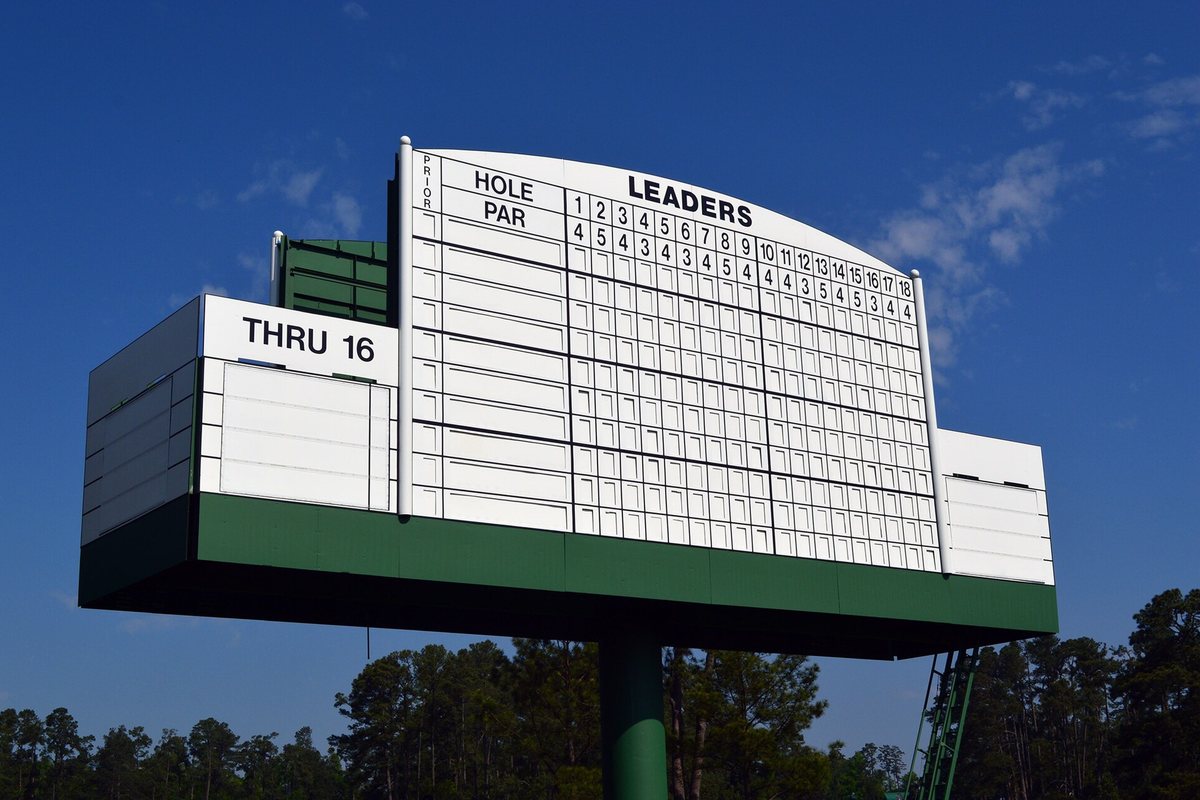
Crypto casino races are leaderboard contests where every bet you place earns points, and the players with the most points at the end of a day, week or month share a prize pool. This guide explains how crypto casino leaderboard races are scored, how much wagering it really takes to place, and where US players can join leaderboard races at state-licensed and sweepstakes casinos.
The short version: a race rewards volume, so the cost of chasing a top spot is the house edge on everything you wager. Read the math section before you join one.
What Is a Crypto Casino Race?
A crypto casino race, also called a wager race or leaderboard race, is a promotion that ranks players by how much they bet or how well they score over a fixed period. Entry is usually automatic or opt-in with qualifying play. When the race ends, the top places split a prize pool paid in cash, bonus funds, coins or free spins.
Crypto casinos use races alongside welcome bonus offers, deposit bonuses, free spins and cashback to keep players coming back. Because many crypto casinos accept crypto such as bitcoin, ethereum and solana, race prizes are often paid in crypto too.
Most races run on a cycle. Daily races reset every 24 hours, weekly races run seven days, and the biggest crypto casino races run for a month with prizes for the top 100 or more places.
How Crypto Casino Leaderboard Races Are Scored
Every race publishes a scoring rule in its terms. The rule decides who wins far more than luck does, so read it first.
- Total wagered: one point per dollar (or coin) bet. The player with the highest turnover wins. This is the most common format in crypto casino races.
- Biggest multiplier: your best single win divided by the stake that produced it. One lucky spin can win the race.
- Win-to-bet ratio: points are based on how much a spin returns compared with its stake, often counted over your best spins. Some leaderboards at US-licensed casinos have used this format.
- Points per game round: a fixed number of points per spin or hand, sometimes with a minimum stake.
Volume formats favor players with big bankrolls. Multiplier and ratio formats give smaller players a real chance, because a $0.20 spin that hits 500x scores the same ratio as a $20 spin.
Daily, Weekly and Monthly Race Formats
| Format | Typical length | Who it suits | Watch out for |
|---|---|---|---|
| Daily race | 24 hours | Regular players with short sessions | Points reset every day |
| Weekly race | 7 days | Players who play several times a week | Pressure to top up late in the week |
| Monthly race | 30 days | High-volume players | Prize concentrated at the very top |
| Game or provider leaderboard | Set by the promotion | Players who already like the featured slots | Only listed games count |
How Crypto Casinos Pay Race Prizes
Offshore crypto casinos usually credit race prizes to your account balance in the coin you play with, sometimes as bonus funds with their own wagering rules. Some pay in free spins on a featured slot. Crypto transactions usually settle faster than bank payments, which is part of the pitch for bitcoin casinos, but withdrawal speeds still depend on the site’s checks. Prize value also moves with the price of the digital assets it is paid in.
Some crypto casinos also run races on provably fair games, where each result can be checked on the blockchain or with a published hash. Our guide to provably fair gambling explains how that works. Races may cover casino games only, or mix casino games, live dealer games such as live roulette, and sports betting.
How Much Do You Have to Wager? The Math Behind Wager Races
A wager race does not cost an entry fee, but it does have a price: the house edge on every bet you make to climb the board. The expected cost of any amount of play is simple to work out:
Expected loss = amount wagered x (1 minus RTP)
The table below uses a slot with a 96% return to player (RTP), so the house edge is 4%.
| Amount wagered | Expected loss at 96% RTP | Expected loss at 98% RTP |
|---|---|---|
| $1,000 | $40 | $20 |
| $10,000 | $400 | $200 |
| $50,000 | $2,000 | $1,000 |
| $100,000 | $4,000 | $2,000 |
Now compare that with the prize. Suppose a weekly race pays $500 for 10th place, and 10th place usually needs about $50,000 wagered. On a 96% RTP slot, the expected cost of that play is $2,000. The prize covers a quarter of it. Real results swing a lot around these averages, but over many races the math wins.

Turnover Is Not the Same as Deposits
Wagering $10,000 does not mean depositing $10,000. When you win, you bet the winnings again, so the same money is counted many times. As a rough guide, a $100 balance on a 96% RTP slot is expected to produce about $2,500 in total bets before it runs out ($100 divided by the 4% edge). That is why volume races feel cheap while you play and still cost money over time.
When a Leaderboard Race Makes Sense
A race adds value only for play you were going to do anyway. If you already play a featured slot each week, an opt-in leaderboard returns a little extra. If the race makes you play longer or bet bigger than planned, the prize pool is paid for by your extra losses.
Crypto Casino Races and US Law
In 2026, most crypto casino races are run by offshore crypto sites that are not licensed by any US state. In the US, real-money online casinos are licensed state by state, and seven states license them today: New Jersey, Pennsylvania, Michigan, West Virginia, Connecticut, Delaware and Rhode Island, as listed in the American Gaming Association’s State of the States report. At the federal level, the Unlawful Internet Gambling Enforcement Act of 2006 restricts payment processing for online gambling that breaks state or federal law.
Offshore races are not a regulated option for US players, and a crypto wallet deposit at an offshore crypto gambling site is not covered by any US player protection. Their prize rules are set and enforced only by the operator, and there is no US regulator to review a dispute. US players have two regulated routes to leaderboard play, covered below.
Leaderboard Races at US-Licensed Online Casinos
State-licensed casinos run their own leaderboard races and slot tournaments. BetMGM, for example, has run slot tournament leaderboards open to players aged 21 and over in Michigan, New Jersey, Pennsylvania and West Virginia, where players opt in and earn points from real-money slot play. In New Jersey, BetMGM has also run a shared leaderboard series with its sister brands Borgata and PartyCasino.
Licensed leaderboards are usually paid in real money site credit, bonus funds or free spins. Licensed casinos generally do not take direct crypto payments, so prizes are paid in dollars.
Licensed leaderboards follow state promotion rules. The terms have to be published, the casino verifies your age and location, and the state regulator can take a complaint if a prize is not paid. Our list of top online casinos for real money play in the US shows the licensed operators in each state, and our guide to safe online casinos in the USA explains how to confirm a license.
Sweepstakes Casino Races and Leaderboards
A sweepstakes casino can run races too, and some sweepstakes brands accept crypto for optional coin purchases. Many offer free daily races where the top places share a pool of Gold Coins or Sweeps Coins, with no purchase necessary to take part. Sweeps Coins can be redeemed for prizes once you meet the brand’s play-through and minimum redemption rules, while Gold Coins are for fun play only.
Sweepstakes casinos are banned or restricted in some states, including California, New York, New Jersey, Connecticut, Montana, Indiana, Maine, Tennessee, Oklahoma and Louisiana. Check each brand’s official rules for its excluded states and age limit. Our guide to the best sweepstakes casinos in the USA compares the main brands.
How to Pick a Leaderboard Race Worth Joining
- Check that the casino is licensed in your state or runs under published sweepstakes rules where you live.
- Read the scoring rule: total wagered, multiplier, win-to-bet ratio or points per round.
- Look at the prize table and how many places are paid.
- Check which games count and whether there is a minimum stake.
- Work out the expected cost of the play you plan, using the formula above.
- Set a budget and a time limit before the race starts, and keep to them whatever the leaderboard says.
Games with a higher RTP make any race cheaper to play. Our guides to the best RTP slots and slot volatility explain how to compare them.
Play Responsibly
Responsible gambling matters more in a race than in normal play, because the format rewards volume. Gambling is for adults aged 21 and over, or the minimum age set by your state and the site you use. Leaderboards are built to keep you playing, so decide your budget before you look at the standings. Free, confidential help is available 24/7 from the National Council on Problem Gambling at 1-800-MY-RESET. More tools are on our responsible gambling page.
Frequently Asked Questions
What is a crypto casino leaderboard race?
It is a promotion that ranks players by points earned from their bets over a set period, such as a day, week or month. When the race ends, the top places share a prize pool of cash, bonus funds, coins or free spins.
How do wager races work?
Each qualifying bet adds points to your total, usually one point per dollar or coin wagered. The leaderboard updates as you play, and prizes are paid by final position.
Are crypto casino races legal in the US?
Most crypto casino races are run by offshore sites that hold no US state license. US players can join leaderboard races at casinos licensed in their state or at sweepstakes casinos in states where those are allowed.
How much do you need to wager to win a casino race?
It depends on the race and how many players enter. Volume races often need tens of thousands of dollars in total bets to finish near the top, and the expected cost is that amount times the house edge.
Do US online casinos have leaderboard races?
Yes. State-licensed casinos run slot leaderboards and tournaments under state promotion rules, and many sweepstakes casinos run free daily races paid in coins.
What is the biggest crypto casino race?
Offshore crypto casinos advertise very large monthly races, but those sites are not licensed in any US state. For US players, the largest regulated leaderboards are the multi-state slot tournaments run by licensed casinos.
Sources: American Gaming Association, State of the States 2026; National Council on Problem Gambling; operator promotion terms as reported by US gaming media, checked 9 November 2026. Expected-loss figures are RaceFi calculations.